Exhibition Stand Construction and Exhibition Services
 Maxima Matara : Friday, 16. January 2026
Effizienter Messebau: So optimieren Sie Technik, Logistik und Organisation für erfolgreiche Messeauftritte
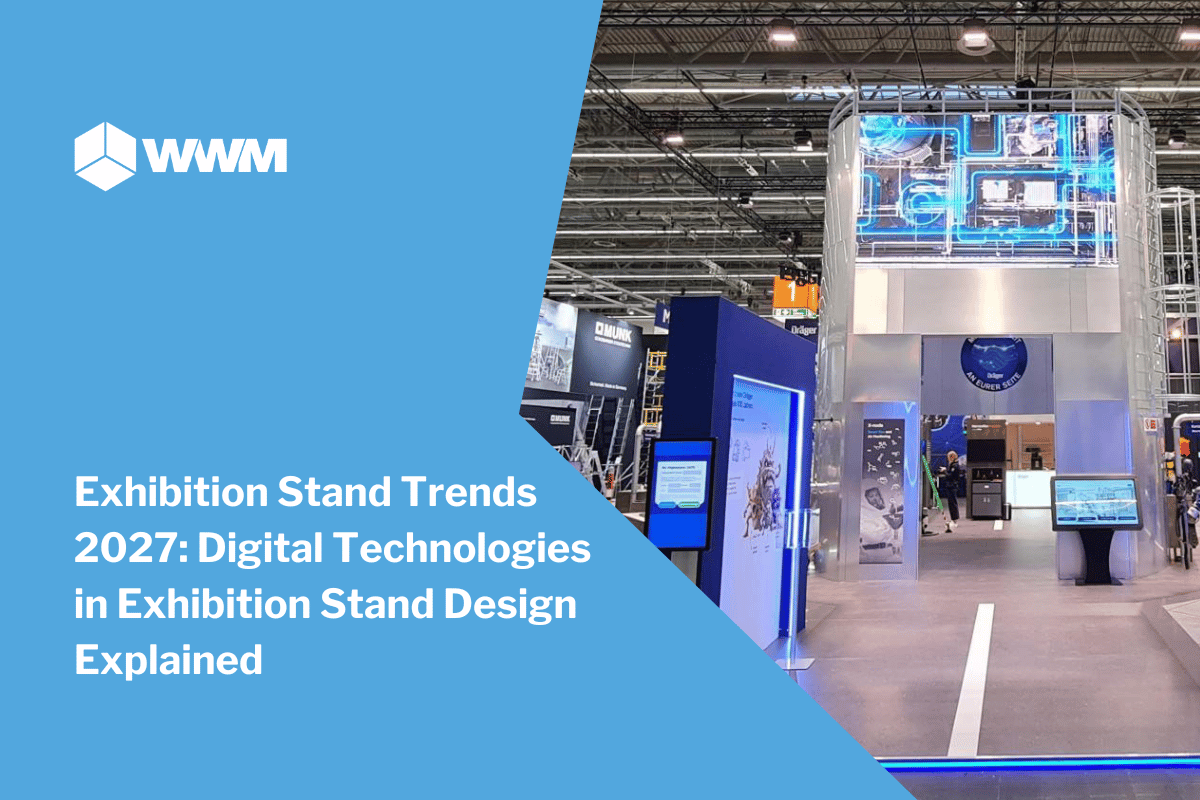
Trade fairs will remain a key component of B2B communication in 2027. At the same time, new technologies are reshaping visitor expectations and creating new opportunities for exhibitors. From transparent displays and hologram-like presentations to AI-powered analytics, digital solutions have long evolved beyond simple add-on tools.
But which developments are truly relevant? And which technologies help attract attention, encourage meaningful conversations, and achieve exhibition goals more efficiently?
This guide highlights the most important exhibition stand trends for 2027 and explains how companies can effectively integrate digital technologies into their trade show planning.
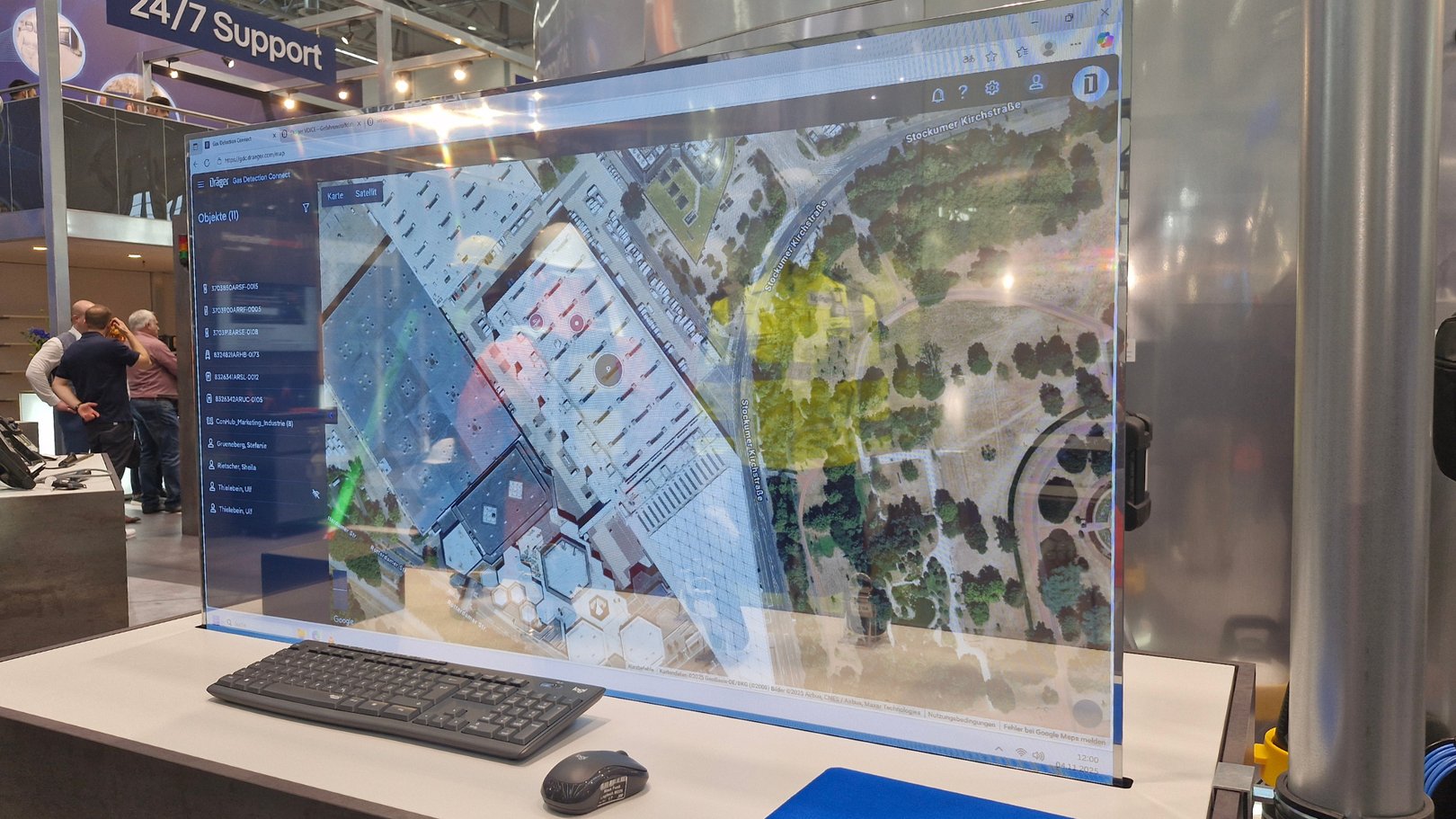 Ghost OLED displays on Dräger’s double-deck exhibition stand
Anyone planning an exhibition stand today faces a central challenge: visitor attention is limited, and competition at trade shows is intense.
At the same time, attendees expect relevant information, interactive experiences, and modern presentations of products and services.
Digital technologies in exhibition stand design help companies to:
The key is not to use technology for its own sake. The most successful exhibition stands combine digital innovation with a clear message and a well-designed visitor journey.
Among the most striking exhibition stand trends for 2027 are transparent displays. These solutions allow digital content to be shown on see-through surfaces, creating a modern and almost futuristic visual effect.
One particularly interesting application is the combination of physical products and digital information. Features, technical specifications, or use cases can be displayed directly alongside exhibits without obstructing the view of the product itself.
For products that require explanation, transparent displays offer genuine added value for visitors.
Another trend increasingly visible at professional trade fairs is hologram-like presentation technology.
Whether showcasing rotating products, animated machine models, or three-dimensional brand messages, these presentations attract visitors from a considerable distance.
For exhibition design, this opens up a range of possibilities:
Companies in industrial, engineering, and manufacturing sectors in particular are increasingly adopting these solutions to present complex products in a more engaging and understandable way.
Not every innovative event technology needs to be complicated or expensive.
Modern LED posters have become one of the most flexible digital elements in exhibition stand design.
Compared to traditional roll-up banners or static advertising surfaces, they offer significantly greater possibilities for visual communication.
For small and medium-sized businesses in particular, LED posters provide an accessible entry point into digital exhibition design and can be reused across multiple events.
Exhibition stand for MSD at Aqua Nor
The era of purely passive product displays is gradually coming to an end. Visitors increasingly want to explore information independently and interact with content on their own terms.
As a result, interactive applications remain one of the most important exhibition stand trends for 2027.
Touchscreens and Product Configurators
Visitors can customize products, compare variants, and access technical information directly.
Digital Product Catalogs
Digital content replaces extensive printed materials and simplifies information retrieval.
Gamification and Interactive Activities
Quizzes, games, and digital prize draws increase dwell time and create natural conversation starters for booth staff.
The key advantage is clear: passive visitors become active participants.
Following the major digital transformation of recent years, hybrid formats have become firmly established.
Although in-person events are once again the primary focus, digital extensions continue to expand reach and engagement.
This means communication does not end when the exhibition closes. Companies can continue using their content and reach additional target audiences long after the event.
Few technologies are currently influencing businesses as significantly as artificial intelligence.
The trade fair industry is seeing a growing number of practical AI applications. AI supports teams in areas such as:
AI becomes particularly valuable when large amounts of data need to be analyzed. The resulting insights can help companies make better decisions for future exhibition projects.
For more information about how artificial intelligence can support your exhibition strategy, read our related blog article: Artificial Intelligence at Trade Shows: Opportunities for Your Business.
.png?width=1200&height=800&name=866023300%20(KI).png)
Another major trend is the data-driven evaluation of exhibition performance.
Modern systems can do far more than simply capture leads. Companies gain valuable insights into:
This makes it easier to optimize future exhibition appearances based on measurable data rather than assumptions.
The exhibition stand trends of 2027 are no longer focused solely on new technologies. Efficient resource utilization has become increasingly important for many organizations.
Rising costs, stricter sustainability targets, and the desire for greater planning reliability are driving demand for reusable exhibition concepts.
Instead of one-time-use stands, many companies are adopting modular systems that can be adapted for different events and reused multiple times. This approach reduces material consumption and waste while lowering costs across multiple exhibitions.
Combined with digital technologies, these solutions create a future-ready approach. While interactive displays, LED technologies, and AI applications enhance visitor experiences, modular systems provide the foundation for cost-effective and sustainable exhibition marketing.
For many companies, the question is no longer whether to prioritize digitalization or sustainability. The real challenge lies in successfully combining both.
Do you want to explain complex products more effectively?
→ Transparent displays or hologram-like presentations may be the right solution.
Do you need flexible digital advertising space?
→ LED posters offer a relatively simple entry point.
Would you like to create more interaction at your stand?
→ Touchscreens, product configurators, and gamification can increase visitor engagement.
Do you want to measure exhibition success more accurately?
→ Smart visitor analytics and AI-powered data analysis provide valuable insights.
Do you participate in multiple trade fairs each year?
→ Modular and reusable stand concepts help use resources more efficiently.
The leading exhibition stand trends of 2027 demonstrate that digital technologies are becoming an integral part of successful trade show concepts. Transparent displays, hologram-like presentations, LED posters, interactive applications, hybrid formats, and AI-powered analytics create new opportunities for businesses to engage their target audiences.
However, success is not determined by the number of technologies used, but by the value they deliver to visitors and business objectives. Companies that strategically integrate digital innovations into exhibition stand design and trade show planning can create memorable visitor experiences, improve lead generation, and maximize the success of their exhibition presence.
Let's explore together which technologies will bring the greatest value to your next trade show appearance.
 Maxima Matara : Friday, 16. January 2026
Effizienter Messebau: So optimieren Sie Technik, Logistik und Organisation für erfolgreiche Messeauftritte
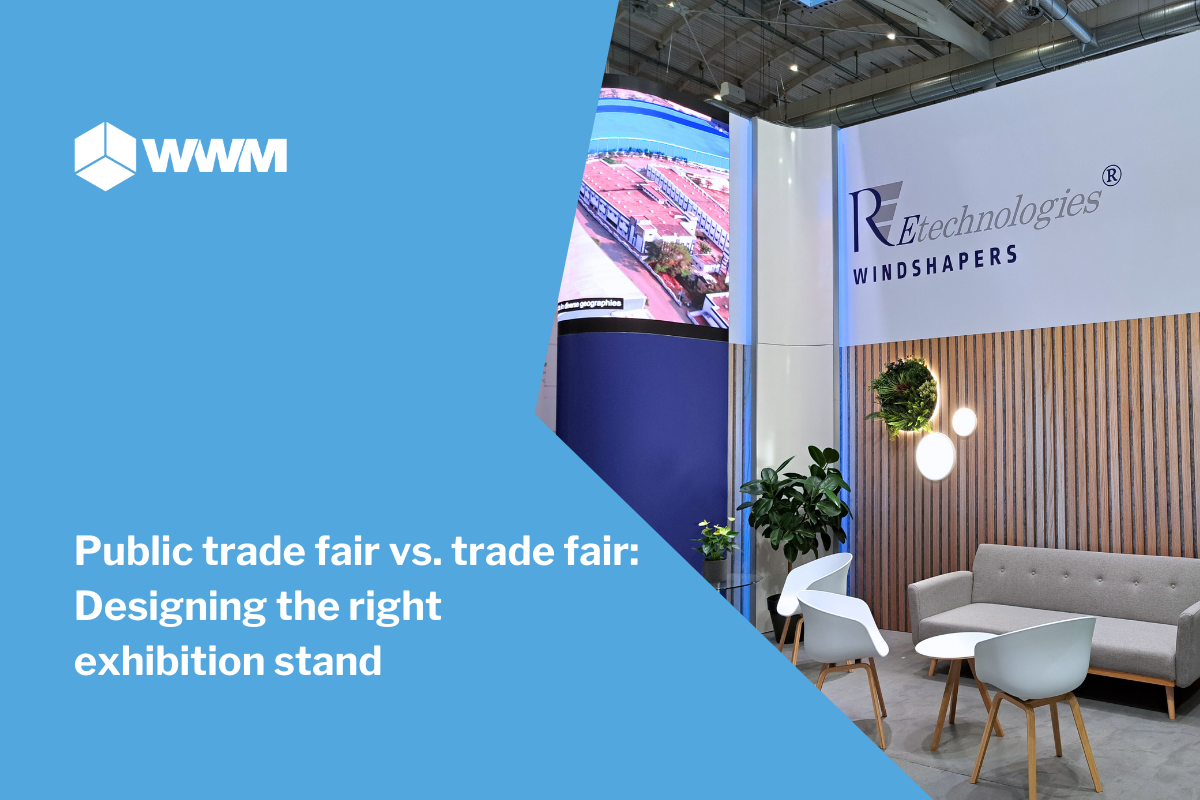
Publikumsmesse vs. Fachmesse: So gestalten Sie Ihren Messestand und präsentieren Ihre Marke professionell für unterschiedliche Zielgruppen.
 Maxima Matara : Friday, 11. April 2025
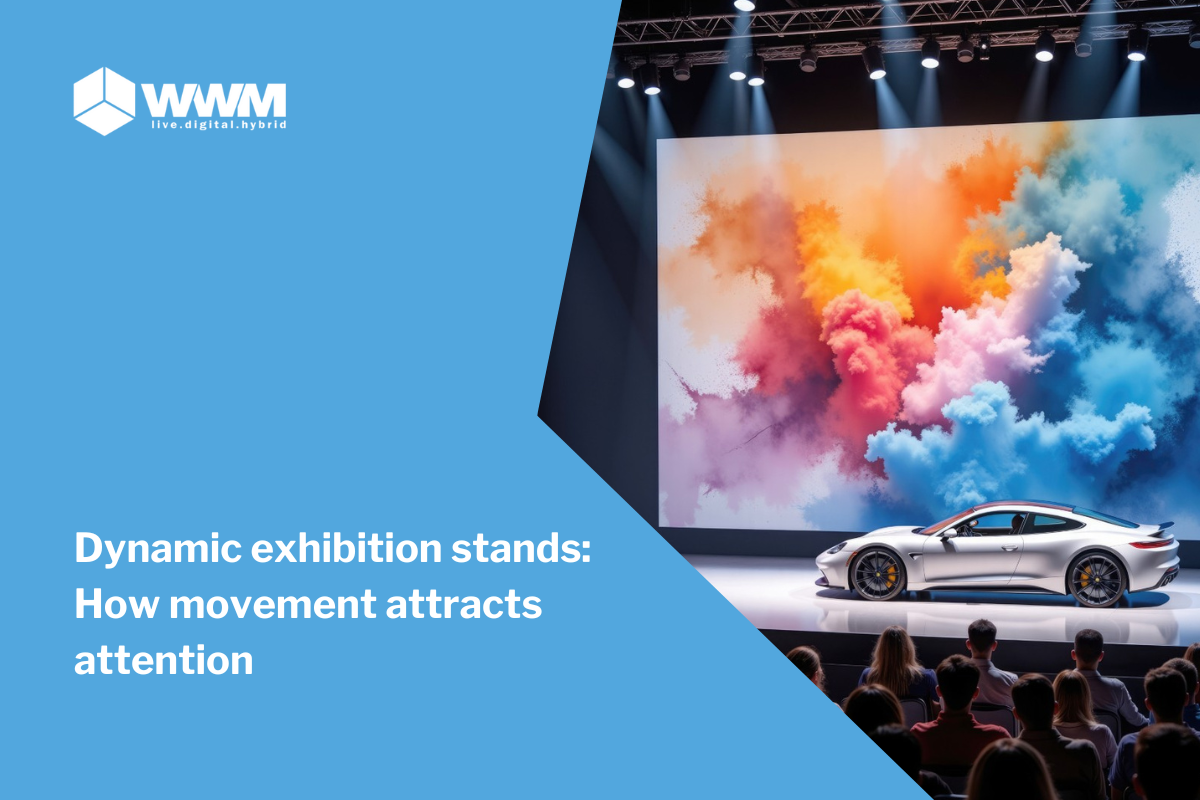
Dynamic exhibition stands with LED walls & moving elements create unforgettable experiences. Find out more now!