
3 min read
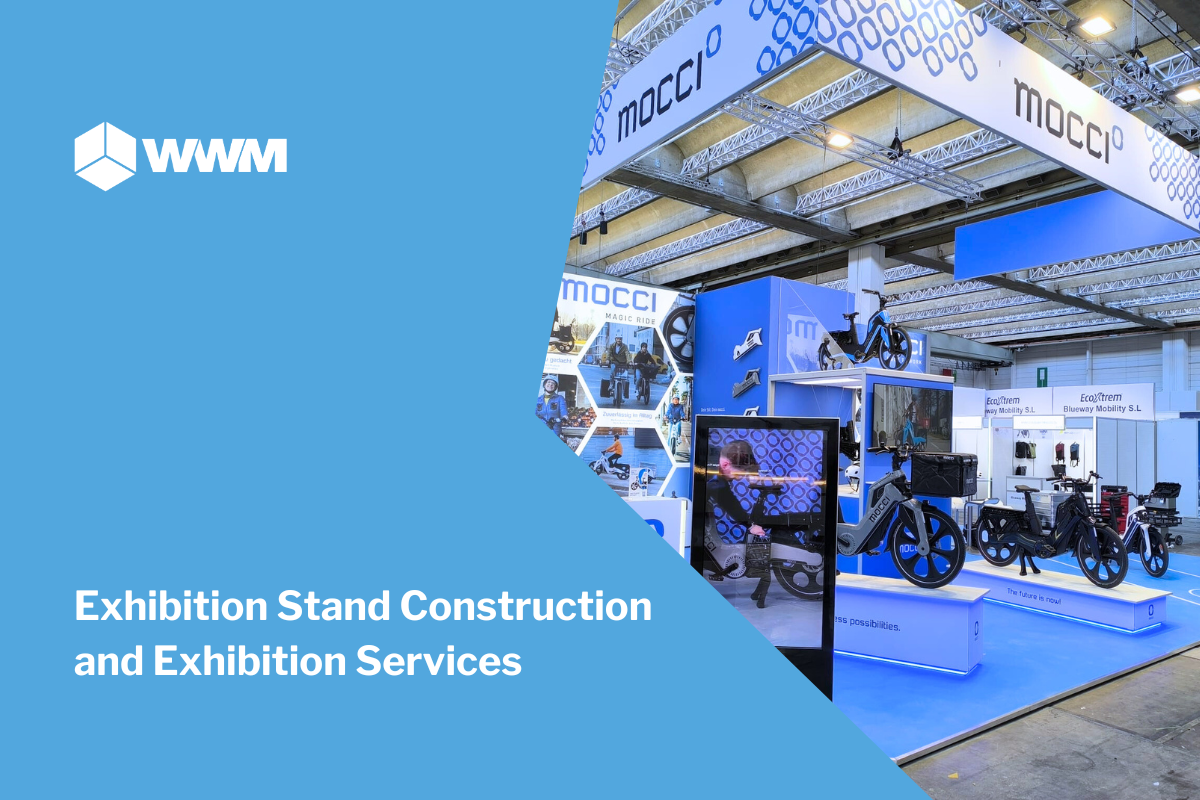
Exhibition Stand Construction and Exhibition Services
Maxima Matara
:
Updated on August 17, 2026
When it comes to exhibition stand planning, many people first think of design, architecture, and visual impact. Colors, shapes, graphics. In practice, however, it is often the supporting elements behind the scenes that determine whether an exhibition presence runs smoothly and achieves its objectives.
In addition to the stand design itself, there are numerous organizational, technical, and logistical aspects that should be considered at an early stage. This is often where unexpected challenges, additional costs, or unnecessary stress arise.
This article provides an overview of key exhibition stand topics that may not immediately come to mind but play a significant role in overall success.

Technology at the Exhibition Stand: More Than Just an Eye-Catcher
Modern exhibition stands increasingly rely on digital elements such as LED video walls, interactive touchpoints, multimedia kiosks, and presentation screens. These components can increase visitor engagement and dwell time, but they also introduce additional requirements.
Important questions that should be addressed early include:
- Which technology is best suited to the target audience and stand size?
- How can digital content be meaningfully integrated into the stand concept?
- What technical requirements or restrictions are defined by the event organizer?
Another frequently underestimated aspect is electrical safety. In Germany, electrical equipment is subject to strict regulations, including regular inspections in accordance with DGUV Regulation 3. Companies that fail to prepare adequately risk delays or, in the worst case, exclusion from the exhibition.
For more information on DGUV V3 inspections, see our ExpoCloud blog posts:
Measuring Visitor Traffic and Evaluating Success
Participating in a trade fair requires significant investments of time, budget, and resources. This makes it all the more important to measure success effectively. Nevertheless, many companies still refrain from implementing systematic trade fair performance tracking.
Modern solutions can help by providing:
- Visitor counting
- Analysis of visitor flows around the stand
- Evaluation of touchpoints and visitor interactions
When collected and analyzed in a structured manner, this data provides valuable insights for post-event evaluation and future exhibition appearances.
Graphics, Print Files, and Last-Minute Changes
Exhibition stand graphics are among the most common sources of stress before a trade show. Content frequently changes at short notice or needs to be adapted for different events.
Digital web-to-print solutions can help by enabling:
- Centralized storage of print files
- Easy online editing of individual content elements
- Fast ordering of reprints
This helps minimize errors and makes it easier to implement updates even under tight deadlines.
Logistics, Storage, and Shipping
An exhibition stand consists of numerous individual elements: stand construction components, technology, graphics, promotional materials, and furniture. Without structured logistics management, things can quickly become complicated.
Important aspects include:
- Secure storage between events
- Inspection and maintenance of equipment
- On-time delivery to the exhibition venue
- Coordination of delivery schedules and freight forwarders
In addition, transport insurance can be a valuable safeguard against loss or damage to equipment and materials.
Further information on logistics, storage, and shipping can be found in our blog posts:

Installation and Dismantling: A Critical Time Factor
The setup and dismantling of an exhibition stand are typically governed by strict schedules. Delays, missing components, or unclear responsibilities can quickly become expensive.
Structured planning helps ensure smooth execution:
- Clearly defining installation dates and stand handover schedules
- Coordinating the delivery of all stand components
- Ensuring professional on-site assembly
Ideally, exhibition staff should arrive only when the stand is fully installed and operational.
Keeping Promotional Materials Under Control
Giveaways, brochures, and other promotional items remain an essential part of many exhibition appearances. However, without proper planning, managing these materials can become chaotic.
Common challenges include:
- Determining the correct quantities
- Ensuring timely delivery
- Managing storage between multiple events
Centralized management and demand-driven replenishment help ensure that everything needed is available at the stand without creating excessive inventory.
Reporting and Transparency in Exhibition Management
The more complex an exhibition project becomes, the more important transparency is. Reports on shipment status, task progress, and material movements help maintain control over the entire process.
Structured reporting saves time, reduces internal inquiries, and simplifies coordination, particularly when managing multiple exhibitions or events simultaneously.
Turning Multiple Tasks into a Cohesive Overall Concept
In practice, the greatest effort often arises from managing the many individual aspects related to technology, logistics, safety, graphics, and organization, especially for companies attending multiple trade fairs and events each year.
At some point, many organizations begin asking how these tasks can be efficiently consolidated, standardized, and managed without having to start from scratch for every event. This is where the value of a holistic approach becomes evident.
As an exhibition stand builder, we support our clients not only with stand design and construction but throughout the entire exhibition process. Our goal is to organize exhibition appearances comprehensively, execute them efficiently, and continuously optimize them over the long term.
Whether it involves digital technologies, exhibition logistics, storage and shipping processes, safety inspections, graphics production, promotional material management, or coordinating installation and dismantling, we serve as a reliable partner to ensure that every part of the process works seamlessly together.
The result is smoother operations, more predictable costs, and greater freedom to focus on what matters most: engaging with visitors, building valuable business relationships, and achieving long-term trade show success.