
 Rebecca Zimmermann
7 Criteria for Modular Trade Show Booths Worldwide
 Maxima Matara : Friday, 26. June 2026
How to optimize exhibition booth logistics, efficiency, and impact with the right partner by your side. International trade shows represent both a...
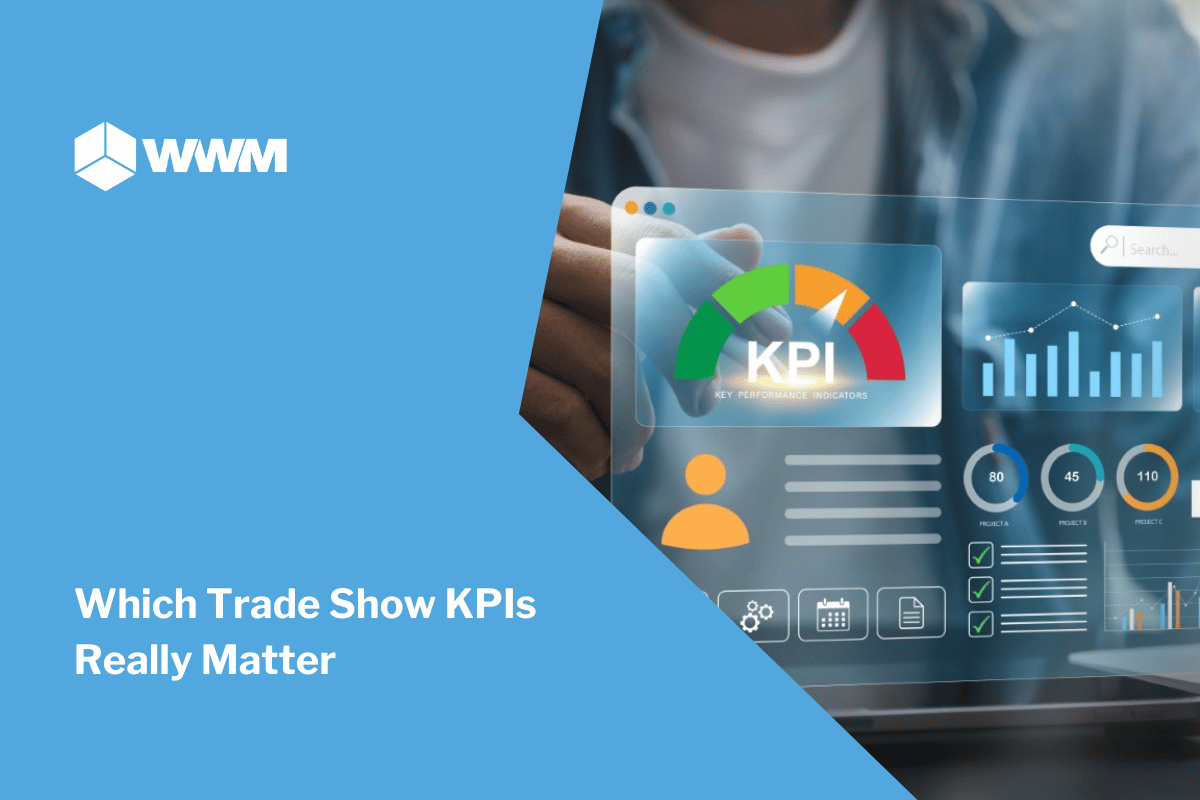
Trade shows remain an important component of B2B marketing for many companies. At the same time, pressure is increasing on marketing and event professionals to clearly demonstrate the success of their trade show participation. Budgets are scrutinized more closely, management teams expect measurable results, and sales objectives must be supported with tangible performance data.
But which metrics actually provide meaningful insights? Many exhibitors still focus primarily on visitor numbers or the number of business cards collected. On their own, however, these figures reveal little about whether a trade show was truly successful.
What matters are the right trade show KPIs that evaluate both the quality of contacts and the financial impact of the event. This article outlines the metrics that really count today and explains how companies can use them to make better business decisions.
A crowded booth does not automatically mean a successful exhibition presence. Likewise, a high number of leads does not guarantee future sales success. Today, companies need a more precise understanding of how trade shows contribute to marketing, sales, and overall business objectives.
Simply counting visitors is therefore only a starting point. Measuring trade show performance becomes truly valuable when qualitative and financial factors are taken into account.
Some of the most common mistakes include:
Companies that avoid these pitfalls gain much more reliable insights for future investment decisions.
The most important KPI remains the number of qualified leads.
A lead is not automatically valuable simply because contact information has been obtained. The key question is whether the person belongs to the target audience and has genuine interest in the products or services offered.
The following criteria help qualify a lead:
Rather than saying, "We collected 500 contacts," it is far more meaningful to say, "We generated 80 qualified leads with concrete project interest."
For accurate performance measurement, companies should always distinguish between:
A successful trade show does not end when the booth is dismantled. The true measure of business success lies in what happens next with the generated leads.
The lead conversion rate answers the question:
How many trade show contacts become genuine sales opportunities?
Formula:
Conversion Rate = Sales Opportunities ÷ Qualified Leads × 100
Example:
Conversion Rate = 25%
This KPI helps companies objectively compare different trade shows and assess the quality of the contacts generated.

Trade show ROI is one of the most important strategic performance indicators. It reveals whether the investment delivered a financial return.
The calculation compares total trade show expenses with the revenue generated as a result of the event.
Simplified Formula:
ROI = (Revenue Generated − Trade Show Costs) ÷ Trade Show Costs × 100
A positive ROI indicates that the trade show generated more revenue than it cost.
This KPI becomes particularly valuable when compared across multiple events, helping companies identify which trade shows contribute most significantly to business success.
In addition to overall ROI, Cost per Lead provides important insights into efficiency.
Formula:
CPL = Total Trade Show Costs ÷ Number of Qualified Leads
Example:
CPL = €500 per lead
On its own, this figure is not particularly meaningful. Its true value emerges when compared with other marketing channels such as online campaigns, webinars, or industry events, allowing companies to determine which activities are most efficient.
For high-value B2B products, trade show leads can remain exceptionally valuable even if acquisition costs are relatively high.
Visitor analysis is becoming increasingly important. Modern lead capture systems and digital tools enable much more detailed evaluations than were possible just a few years ago.
Key questions include:
These insights help companies optimize future booth designs, content strategies, and sales conversations.
A strong visitor analysis goes beyond measuring the number of visitors. It focuses on whether the intended target audience was actually reached.
Modern digital technologies now make it possible to measure visitor engagement directly at the exhibition booth.
Possible metrics include:
Long dwell times often indicate strong interest and can serve as an early indicator of future sales opportunities.
For companies with complex products or solutions, these engagement metrics provide valuable insights into the effectiveness and attractiveness of the trade show concept.

One of the most important marketing metrics is pipeline influence.
This KPI examines how a trade show contributes to the development of the sales pipeline.
Examples include:
These metrics create a direct connection between trade show activities and sales performance.
As a result, many mid-sized companies increasingly view pipeline contribution as a more meaningful indicator of success than lead volume alone.
Collecting data is only valuable if it leads to action.
Successful exhibitors analyze the following after every event:
Using these insights, companies can allocate budgets more effectively, optimize their trade show presence, and make better-informed decisions when selecting future events.
The most important trade show KPIs go far beyond visitor numbers. The metrics that matter are those that measure lead quality, sales performance, and financial outcomes.
Companies should focus particularly on qualified leads, conversion rates, trade show ROI, cost per lead, visitor analysis, engagement metrics, and sales pipeline contributions. These KPIs provide a reliable framework for measuring trade show performance and supporting better business decisions.
Organizations that evaluate and continuously optimize their trade show participation based on these metrics can use event budgets more efficiently, provide stronger support for sales teams, and significantly increase the long-term success of their trade show initiatives.
 Maxima Matara : Friday, 26. June 2026
How to optimize exhibition booth logistics, efficiency, and impact with the right partner by your side. International trade shows represent both a...

 Zarana Patel : Friday, 24. April 2026
As an exhibition stand construction company, we encounter the same situation time and again: Companies invest a great deal of energy, budget, and...
 René Meures : Friday, 5. July 2024
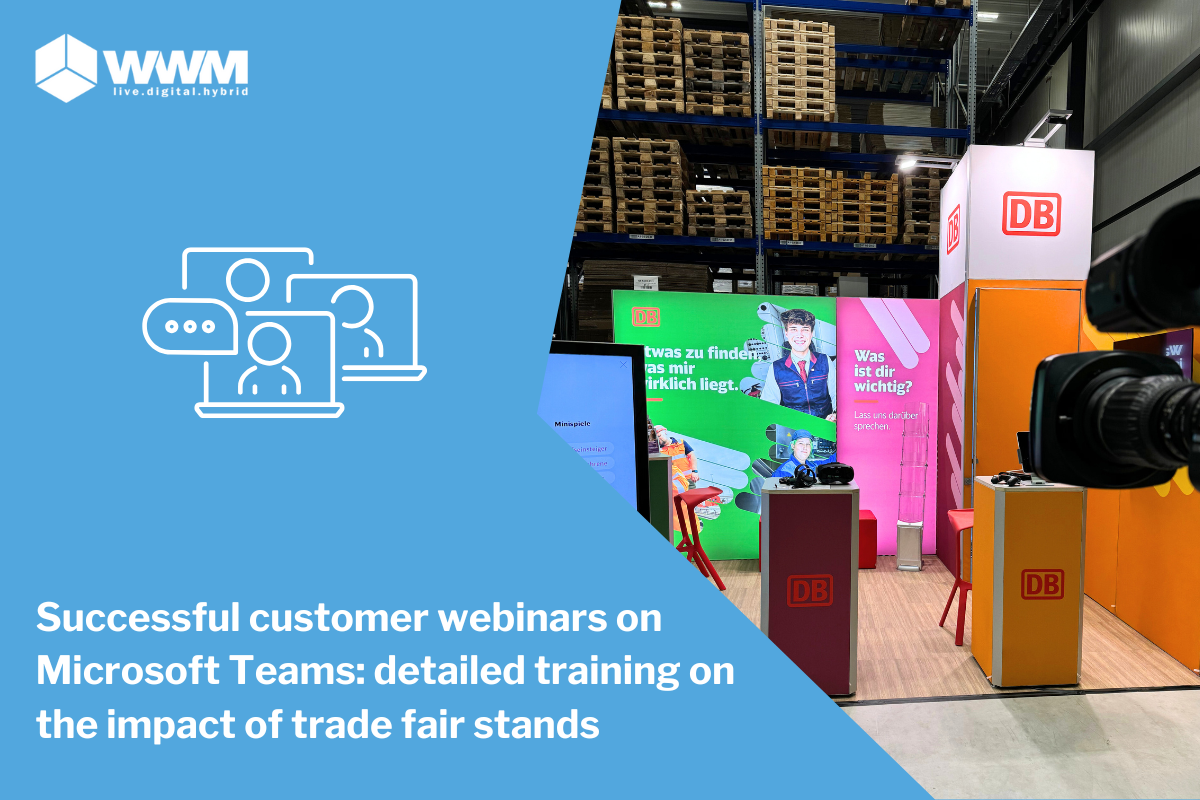
In a comprehensive and successful webinar on Microsoft Teams, we trained over 200 consultants from one of our clients on the benefits and effective...